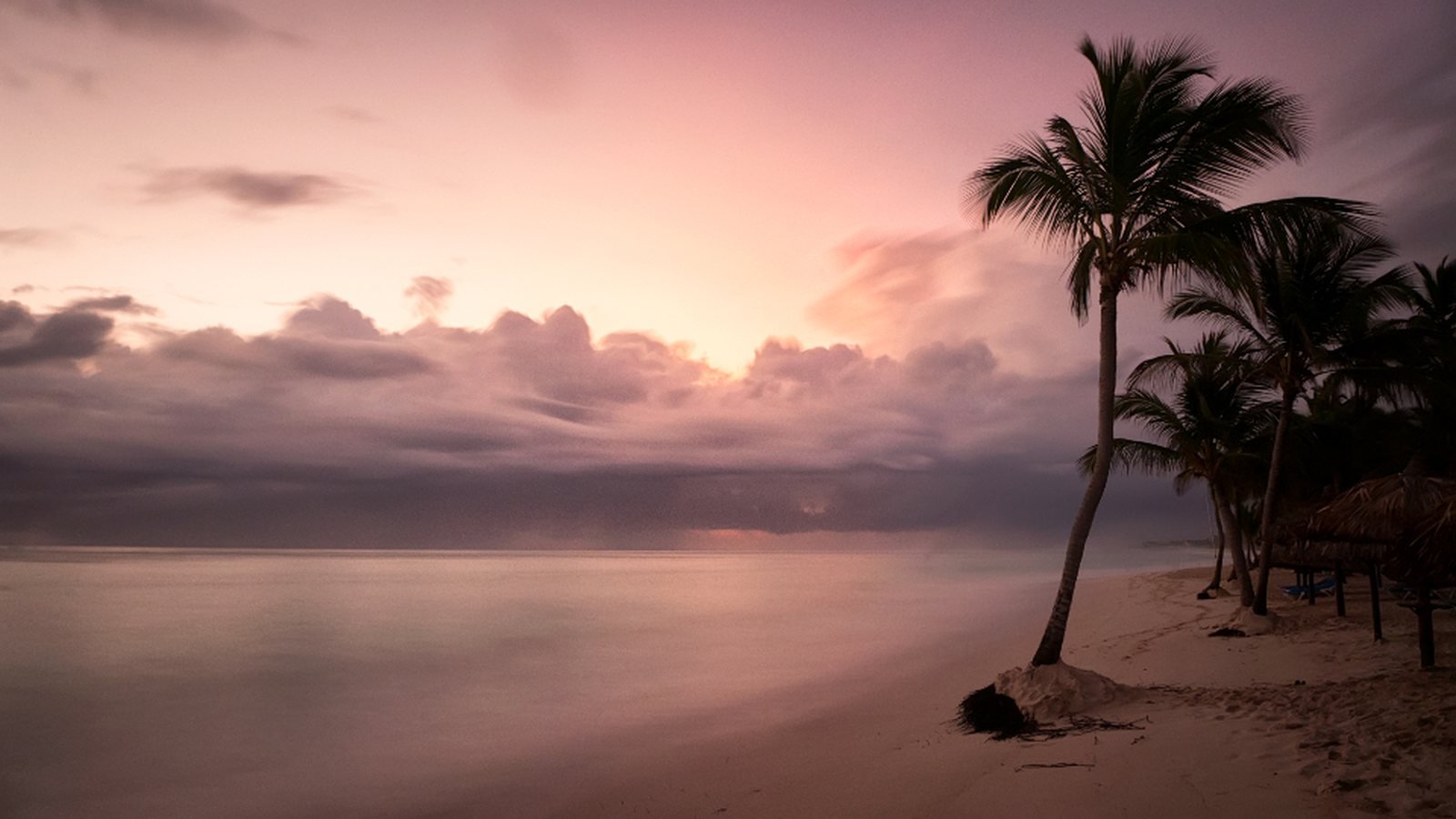
Bali has a tropical climate: warm all year, with a dry and a wet season. Below is what to expect weather-wise, so you can choose the best period. See also the guide on the best time to visit.
Ready to plan?
Add it in the trip planner →On the coast it's around 27–32 °C during the day year-round, with warm nights and high humidity. In the mountains (Ubud, Munduk, Kintamani) it's cooler, especially in the evening — bring a light jacket.
Bali's weather isn't uniform. The south and the Nusa islands are the hottest and driest; Ubud and the central hills are a touch cooler with more afternoon cloud; and the mountains around Kintamani and Munduk can drop towards 15 °C at night, so pack a layer for the Mount Batur sunrise. The sea stays a bath-warm 28–29 °C all year, so you can swim any time. Whatever the season, the tropical sun is fierce — high-SPF, a hat and reef-safe sunscreen matter more here than at home.
Don't write off the wet season (November–March): a typical day is sunny in the morning, with a heavy but often short downpour in the afternoon or overnight, after which it clears. The island is at its greenest, prices drop and the crowds thin. Just build in some flexibility, keep a light rain jacket handy, and expect the odd fully grey day (January is the wettest). Humidity is higher than in the dry months, so take it slow in the midday heat and drink plenty.
Match the month to your plans. For beach days, island hopping and the clearest skies, aim for the dry season (April–October), with July–August the sunniest but busiest. For surfing the west coast (Uluwatu, Canggu), May–September is prime; the east coast surfs better in the wet months. Diving and snorkelling are good year-round, with the calmest seas and the best manta and mola-mola odds off Nusa Penida in the dry season. Want the rice fields at their most vivid green, fewer crowds and lower prices? The end of the wet season and the shoulder months (April/May, September/October) are the sweet spot. See our best time to visit Bali guide for the full breakdown.