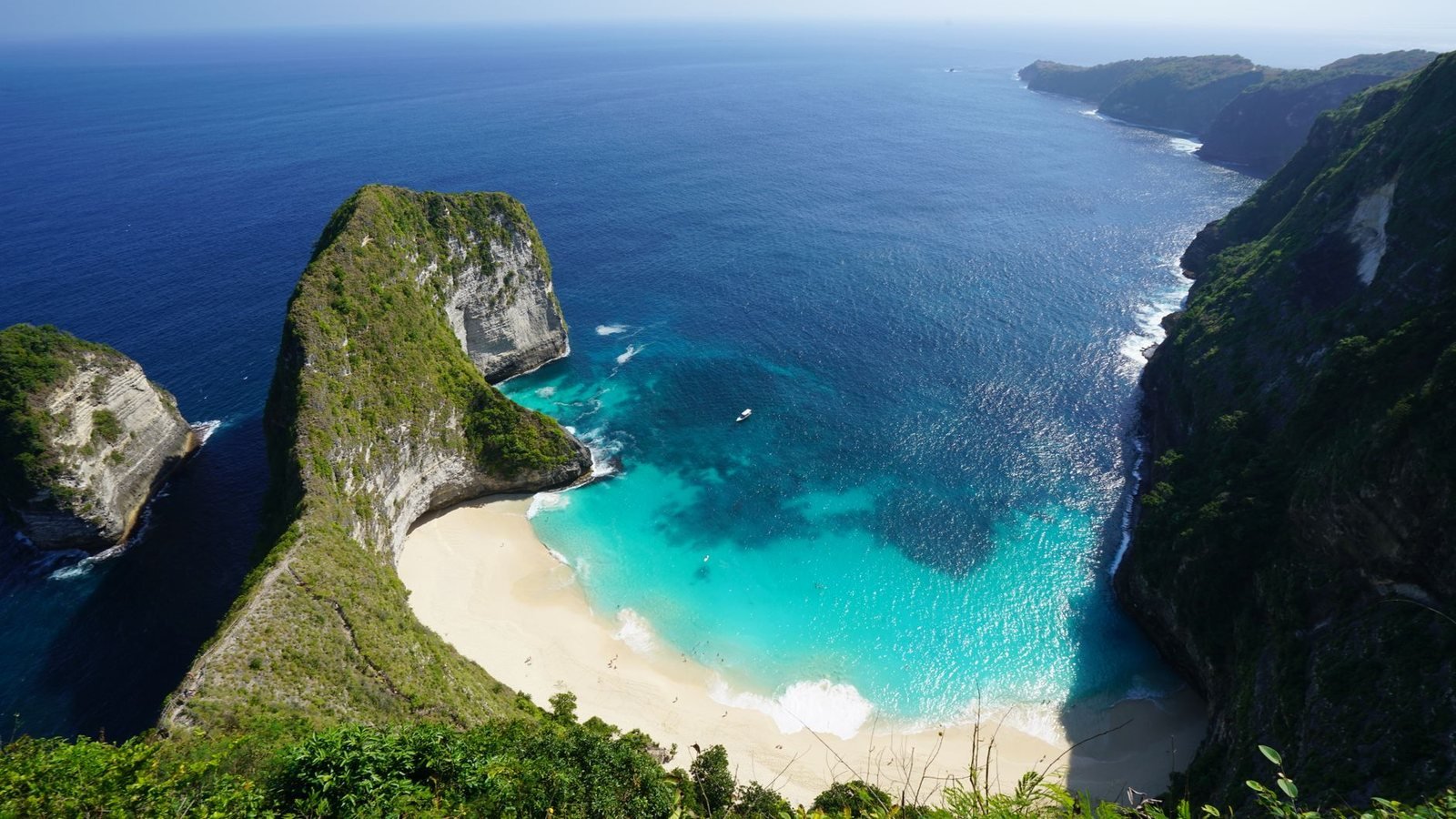
The best area to stay in Bali depends on your trip: Canggu for surf and digital nomads, Ubud for nature and culture, Seminyak for dining and nightlife, Uluwatu for clifftop luxury, and Sanur or Nusa Dua for families. First-timers who want a bit of everything usually split their stay between the south and Ubud.
Bali is not one destination but a cluster of very different areas, each with its own vibe, price level and crowd. Below is a quick comparison table, a detailed look at all seven main areas, the best pick for each type of traveller, and how many nights to give each base.
Best areas at a glance
| Area | Vibe | Best for | Beach? | Price (per night) |
|---|
| Ubud | Green, cultural, calm | Nature, yoga, culture | No (inland) | $–$$$ |
| Canggu | Surf, cafes, laid-back | Nomads, surfers, young travellers | Yes | $–$$ |
| Seminyak | Upscale, buzzy | Dining, beach clubs, shopping | Yes | $$–$$$ |
| Uluwatu | Clifftop, luxury, quieter | Honeymoon, luxury, surf | Yes (clifftop beaches) | $$–$$$ |
| Kuta & Legian | Cheap, busy, lively | Budget, nightlife, first arrival | Yes | $–$$ |
| Sanur | Calm, low-key, traditional | Families, older crowd, relaxing | Yes | $–$$ |
| Nusa Dua | Gated resorts, polished | Families, resort holidays | Yes | $$–$$$ |
Price guide: $ is budget (roughly under $40 a night), $$ is mid-range ($40–$120), and $$$ is luxury ($120+). Most areas span a wide range, so the symbols show where each area's typical, popular options sit.
The areas in detail
Ubud
Bali's cultural heart, set inland among rice terraces, jungle and river valleys. Ubud is the place for temples, art markets, yoga retreats and waterfalls rather than beaches.
- Vibe: green, spiritual and calm, with a walkable centre.
- Best for: nature lovers, culture, yoga and honeymooners after a jungle villa.
- Pro: scenery and culture you won't find in the beach towns.
- Con: no beach, and the centre can feel busy and traffic-clogged by day.
- Average nightly price: homestays from around $25; boutique villas $80–$200+.
Canggu
A coastal surf town that has become Bali's digital-nomad capital, full of cafes, coworking spaces and black-sand beach breaks. Younger and more relaxed than Seminyak.
- Vibe: surf, healthy cafes, coworking and a laid-back scene.
- Best for: surfers, remote workers and younger travellers on longer stays.
- Pro: great value, good food and an easy social atmosphere.
- Con: traffic on the narrow lanes, and beaches are for surf more than swimming.
- Average nightly price: guesthouses from around $30; stylish villas $70–$150.
Seminyak
Bali's most polished beach district, known for upscale restaurants, beach clubs, boutiques and sunset cocktails. Central, walkable and a reliable all-round base.
- Vibe: upmarket, stylish and lively, especially after dark.
- Best for: dining, shopping, beach clubs and nightlife.
- Pro: the best concentration of restaurants and beach clubs on the island.
- Con: pricier than its neighbours and can feel crowded in peak season.
- Average nightly price: mid-range hotels $50–$120; luxury villas $150+.
Uluwatu
The dramatic clifftop end of the Bukit Peninsula in the far south, with luxury resorts, world-class surf and views over the Indian Ocean. Quieter and more spread out.
- Vibe: clifftop luxury, surf and sunsets, with a calmer pace.
- Best for: honeymooners, luxury travellers and serious surfers.
- Pro: spectacular clifftop scenery and some of Bali's best resorts.
- Con: spread out and reliant on scooters or taxis; beaches sit below steep cliffs.
- Average nightly price: mid-range from around $60; clifftop resorts $200+.
Kuta & Legian
Bali's original tourist strip, right by the airport. Cheap, busy and famous for its long sandy beach, surf schools and rowdy nightlife. Handy for a first or last night.
- Vibe: budget, busy and unashamedly touristy.
- Best for: budget travellers, beginner surfers and party nights.
- Pro: cheapest rooms, a wide beach and minutes from the airport.
- Con: crowded, hectic and less charming than the rest of Bali.
- Average nightly price: hostels and budget hotels $15–$45.
Sanur
A calm, low-key beach town on the east coast with a long seafront path, a gentle lagoon-like beach and famous sunrises. Popular with families and older travellers.
- Vibe: relaxed, traditional and quiet, with a local feel.
- Best for: families, older visitors and anyone wanting a peaceful base.
- Pro: calm, swimmable water and the fast-boat port for Nusa Penida.
- Con: limited nightlife and a slightly older, sleepier atmosphere.
- Average nightly price: guesthouses from around $30; beach resorts $80–$150.
Nusa Dua
A gated enclave of large resorts on the southern tip, with manicured grounds, calm swimmable beaches and easy logistics. Polished and self-contained rather than local.
- Vibe: gated, resort-style and family-friendly.
- Best for: families and travellers who want a relaxed resort holiday.
- Pro: calm, safe beaches and everything on-site at the resorts.
- Con: feels enclosed and detached from everyday Balinese life.
- Average nightly price: resorts typically $90–$250+.
Best area for…
First-timers
Base in Seminyak or Canggu for beaches and easy day trips, then add a few nights in Ubud for culture and nature — the classic first-trip combination.
Families
Sanur and Nusa Dua are the safest bets, with calm swimmable beaches, resorts and short transfers; Ubud adds nature if you want a second base.
Couples & honeymoon
Pair a private jungle villa in Ubud with a clifftop resort in Uluwatu for the most romantic mix of scenery, spas and sunsets.
Surfers
Canggu for consistent beach breaks and a social scene, or Uluwatu for the famous reef waves of the Bukit Peninsula.
Nightlife
Seminyak for beach clubs and cocktail bars, with cheaper, busier options in neighbouring Kuta and Legian.
Budget travellers
Kuta and Legian have the cheapest rooms, while Canggu and Ubud offer great-value guesthouses away from the main strips.
Digital nomads
Canggu is the hub for coworking, cafes and community, with Ubud a quieter, greener alternative for longer stays.
Full disclosure: we also run the hotel search Staybello, where you can compare luxury hotels in Bali with live prices on a map; most rooms can be cancelled free of charge.
How many nights per area?
For a typical first trip, give Ubud 2–3 nights for temples, rice terraces and waterfalls, Canggu 2–3 nights for surf and cafes, and Uluwatu 1–2 nights for clifftops and sunsets. If you prefer a single beach base over Canggu, swap in Seminyak for the same 2–3 nights, and add a night or two in Sanur or Nusa Dua if you are travelling with family. For a full breakdown by trip length, see our guide to how many days in Bali you really need.
Frequently asked questions
What is the best area to stay in Bali for first-timers?
Seminyak or Canggu are the easiest bases for first-timers, with beaches, restaurants and easy day trips on the doorstep. Many first-timers split their stay, adding two or three nights in Ubud for rice terraces and culture, so they see both sides of Bali on one trip.
Ubud vs Canggu — which is better?
They suit different trips. Ubud is inland and green, best for nature, yoga, temples and culture, while Canggu is a coastal surf-and-cafe hub popular with digital nomads and younger travellers. If you cannot choose, most itineraries include a few nights in each rather than picking one.
Where should families stay in Bali?
Sanur and Nusa Dua are the most family-friendly areas, with calm swimmable beaches, resorts and short, easy transfers. Ubud also works for families who want nature and space, and many combine a beach base with a couple of nights in Ubud.
What's the cheapest area to stay in Bali?
Kuta and Legian are the cheapest mainstream areas, with plenty of budget hotels and hostels close to the airport. Ubud and Canggu also have affordable guesthouses and homestays away from the main strips, so budget rooms are easy to find across Bali.
What is the best area for couples or a honeymoon?
Uluwatu and Ubud are the top picks for couples and honeymooners. Uluwatu offers clifftop luxury resorts and sunset views, while Ubud is known for private jungle villas with pools, spas and a romantic, peaceful setting. Pairing one of each is a popular honeymoon plan.
Where should I stay in Bali for nightlife?
Seminyak is the main hub for beach clubs, cocktail bars and upmarket nightlife, while nearby Kuta and Legian are cheaper and busier. Canggu has a younger, more relaxed scene built around beachfront bars and live music.
Keep planning