Bali is generally a safe and welcoming destination. The biggest risks aren't criminal but practical: the traffic, petty scams and health. With these tips you'll travel with peace of mind.
Ready to plan?
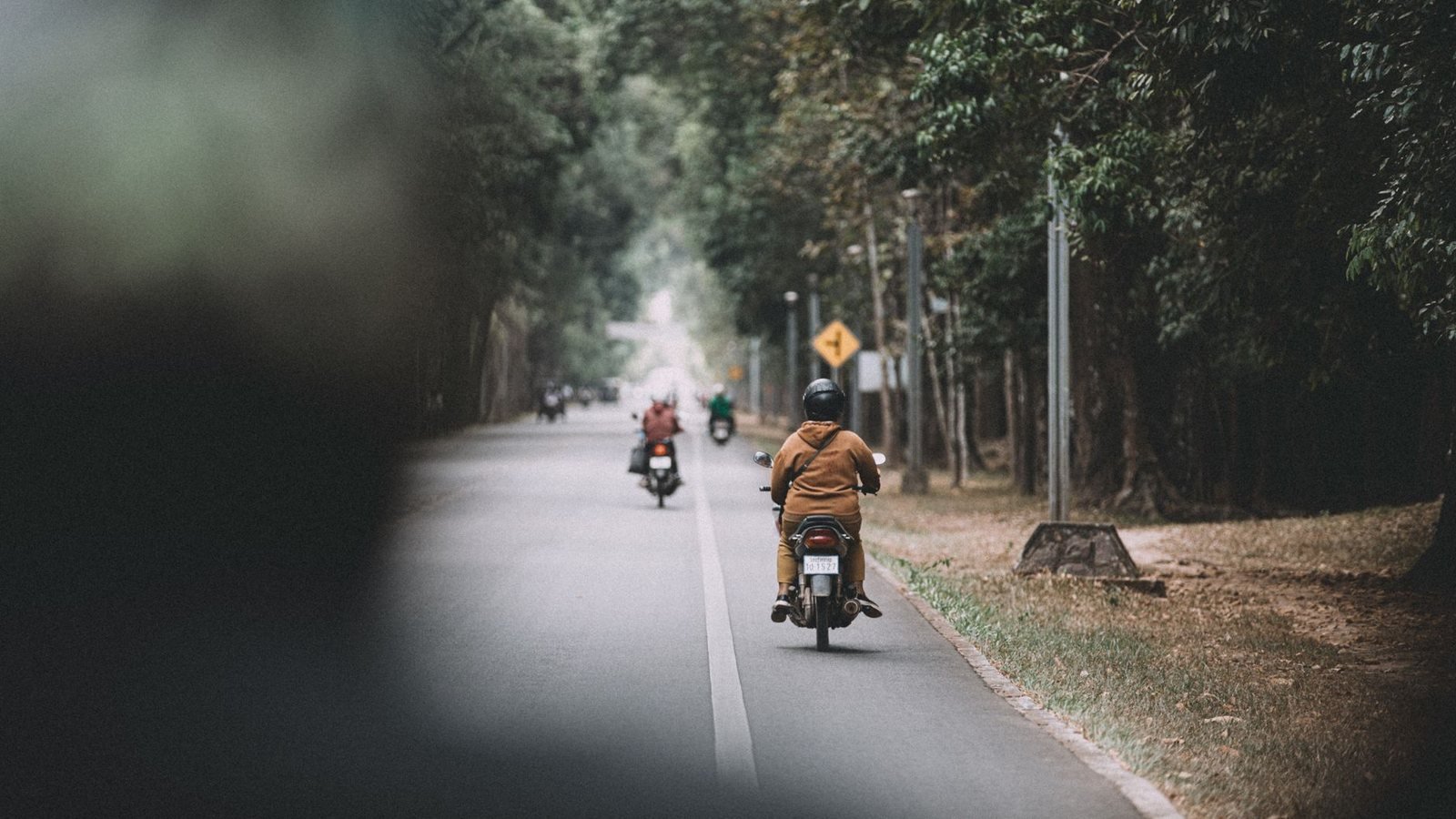
Add it in the trip planner →Most tourist accidents happen on the scooter. Only ride if you're experienced, wear a helmet and make sure you're insured — read the guide on renting a scooter. Often a private driver or Grab is the safer choice.
Serious crime against tourists is rare, but opportunistic theft happens. Use ATMs attached to a bank or inside a bank branch rather than lonely street machines (card skimming exists), cover the keypad, and withdraw larger amounts less often to save on fees. Keep your passport and spare cash in the hotel safe and carry only what you need. On a scooter, never leave a bag in the front basket and don't wear a bag on the road-side shoulder — snatch thefts from passing bikes do occur in busy areas.
The sea is the most underrated risk on the island. Many south and west beaches (Kuta, Legian, Echo Beach, Nusa Penida) have strong rip currents and powerful surf. Swim only between the red-and-yellow flags where lifeguards patrol, never swim after drinking, and if you're caught in a current don't fight it — swim parallel to the shore until it releases you, then head in. Reef shoes help against sea urchins and sharp coral, and at hidden-beach viewpoints stick to marked paths.
Bali is volcanic and sits in an active seismic zone. Mount Agung and Mount Batur are monitored; check the current status and only trek with a licensed guide. Earthquakes are occasional and usually minor, but it's worth knowing your accommodation's exits. Good travel insurance that covers medical care, evacuation and natural events is essential — private hospitals require payment or a guarantee up front.
One genuine hazard worth knowing: cheap, illicitly-made spirits and some home-brewed arak have in rare cases been contaminated with methanol, which is toxic. Stick to sealed, branded drinks from reputable bars and shops, be wary of suspiciously cheap cocktails or "free-flow" deals, and skip unlabelled homemade spirits.
The general emergency number in Indonesia is 112. There is also a tourist police presence in the main areas. Save your hotel's number and your insurer's 24-hour assistance line in your phone before you need them, and keep a photo of your passport and insurance policy offline.